
Why Red Eyes In Children Should Not Be Ignored
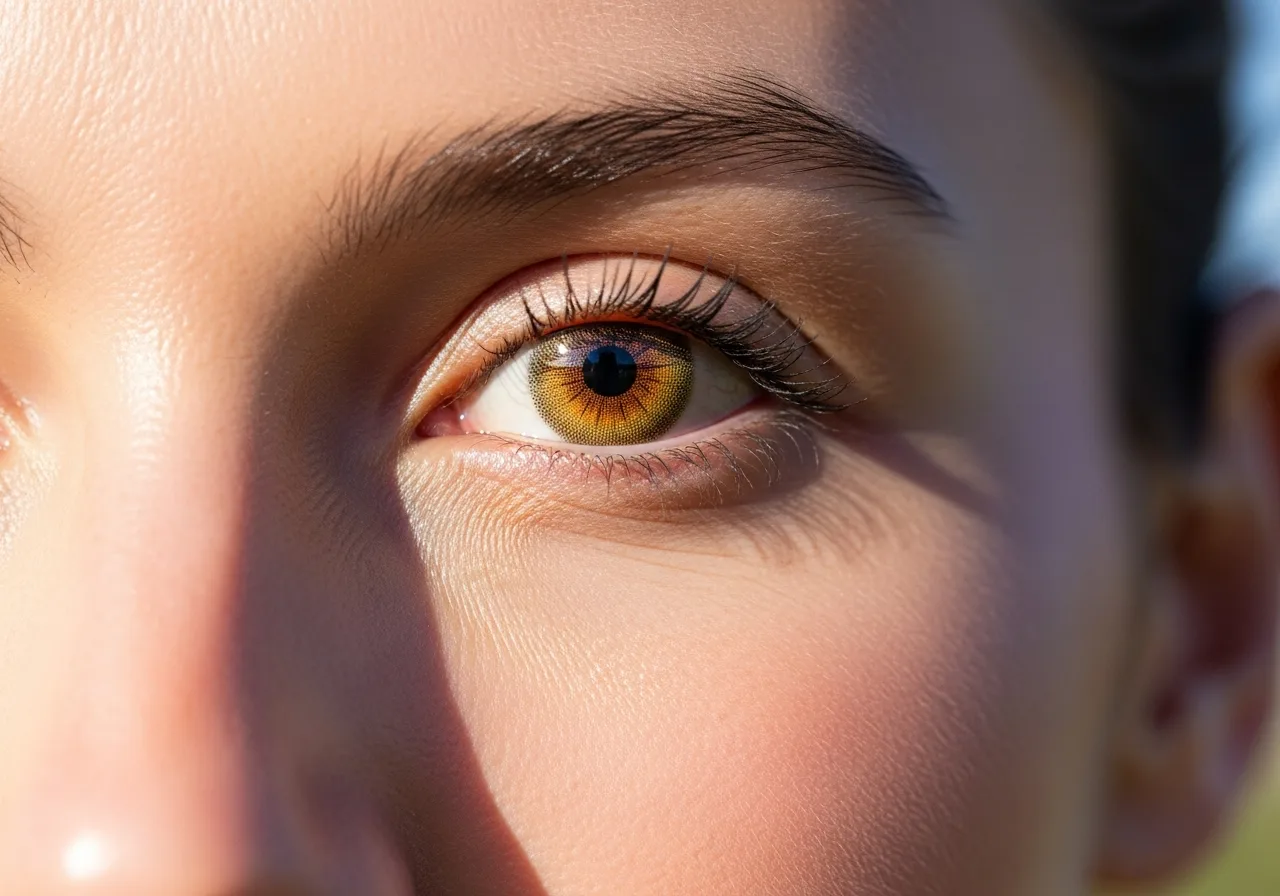
Your child wakes up with red, irritated, or watery eyes, and the first thought is pink eye. Pink eye is common in kids, but not every red eye is the same. Some cases are mild and get better with supportive care. Others need prompt treatment to prevent discomfort, spreading, or possible complications.
At Toluca Lake Optometric Center, we help parents understand what may be causing their child's symptoms and when an eye exam is the safest next step.
What Parents Often Call Pink Eye
Pink eye, also called conjunctivitis, happens when the thin tissue covering the white of the eye gets inflamed. Viruses, bacteria, allergies, or irritants can all cause it. The symptoms often look alike, so it's hard to know which type your child has without an eye exam.
Common pink eye symptoms can include redness, tearing, itching, light sensitivity, crusting around the lashes, or a gritty feeling in the eye. Some kids also rub their eyes more than usual or say their vision feels blurry.
When It May Be A Viral Or Allergic Reaction
Viral pink eye often shows up with cold-like symptoms, watery discharge, and redness in one or both eyes. It spreads easily, especially at school, daycare, and shared play spaces. Allergic eye irritation can look similar, but it usually makes both eyes itch and may come with sneezing or seasonal allergies.
Supportive care can help with some mild cases. If symptoms are getting worse or lasting longer than expected, though, please don't guess.
Signs Your Child May Need Treatment
A bacterial eye infection may cause thicker yellow or green discharge, eyelids stuck together in the morning, or symptoms that keep coming back after you wipe the eyes clean. Some infections need prescription treatment, and the wrong drops can slow healing.
We recommend scheduling an eye exam if your child has:
- Thick discharge or crusting that comes back quickly
- Eye pain, swelling, or redness that's getting worse
- Blurry vision that doesn't clear after blinking
- Sensitivity to light
- Symptoms after an eye injury or a possible foreign object
- Redness that lasts more than a couple of days
- Symptoms and wears contact lenses
Why An Eye Exam Matters
A child's eye infection isn't always limited to the surface of the eye. Sometimes inflammation, a scratched cornea, contact lens irritation, or another condition can look like simple pink eye. During the exam, we check the front surface of the eye, test vision, look for signs of infection or injury, and recommend the right treatment plan.
That way we're treating the actual source of the problem, instead of trial and error.
How To Reduce Spreading At Home
Good hygiene lowers the chance of pink eye spreading to siblings, classmates, and parents. Have your child wash their hands often, try not to touch or rub their eyes, and use a clean towel or washcloth. Change pillowcases regularly, and don't share eye makeup or contact lenses.
If your child has been prescribed eye drops, use them exactly as directed, and don't save leftover medication for the next time symptoms show up.
Helping Your Child Feel Better Safely
Red, irritated eyes are uncomfortable and stressful for kids and parents alike. Some cases of pink eye are mild, and others need professional care. Not sure if it's pink eye, an infection, allergies, or something else? Our team can help you make the right call.
For pediatric eye care and red eye treatment, call Toluca Lake Optometric Center in Burbank, CA at (818) 841-1212.